
 |
 |
This secondment was carried out within the framework of the Inter-oPEn project, which focuses on the interoperability of power-electronic assets in modern power networks. As a PhD researcher working on the role of intellectual property rights (IPRs) in enabling interoperability in multi-vendor, multi-terminal (MVMT) HVDC control systems, I found this secondment an important step in connecting legal research with technical practice.
The main purpose of the secondment was to gain a deeper understanding of the technical aspects of HVDC systems, particularly control and protection, and to explore how these technical realities interact with IP protection. This directly supports my research objective of analysing how patents, trade secrets, and copyrights may enable or limit interoperability under EU law.
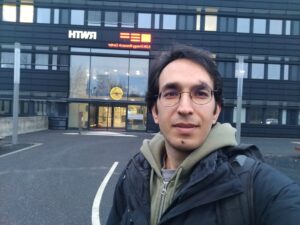 The secondment was hosted at RWTH Aachen University, within the E.ON Energy Research Centre, Institute for Automation of Complex Power Systems (ACS). The secondment took place from 01.01.2026 to 31.3.2026. My contact persons during the secondment were Bettina Schäfer and Ali Sajjadi, who provided support in both administrative and scientific matters, ensuring the smooth implementation of the secondment.
During the secondment, I had the chance to discuss the technical aspects of HVDC control systems with a colleague, participate in the monthly ACS research meetings, which provided valuable exposure to ongoing research in HVDC control systems and allowed me to engage with engineering-focused methodologies and discussions.
From an academic perspective, this experience significantly improved my understanding of the technical dimensions of HVDC systems, particularly control strategies and protection mechanisms. It also allowed me to observe and learn about the differences between engineering and legal research approaches, including methodology, problem framing, and result validation.
From a practical and interdisciplinary perspective, the secondment highlighted the challenges of conducting research at the intersection of law and engineering. It required continuous adaptation of language, concepts, and analytical approaches in order to communicate effectively across disciplines. Importantly, I had the opportunity to analyse the impact of IP protection on interoperability from an engineering perspective. This provided new insights into how technical constraints and system requirements interact with legal frameworks. It also helped identify possible solutions to interoperability challenges that are grounded in both legal and technical realities.
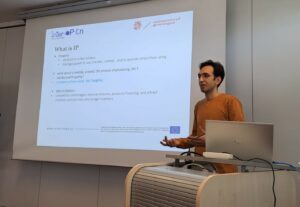 In addition, I delivered a presentation introducing the basics of IP law to an engineering audience. This experience was particularly valuable, as it required translating complex legal concepts into simple, practical language. It also provided direct feedback on how engineers perceive IP-related issues.
During this period, I further developed my skills in patent searching and gained a deeper understanding of patent classification systems and standards, both of which are directly relevant to my empirical research.
This secondment was a valuable experience both academically and personally. It strengthened my ability to conduct interdisciplinary research and improved my confidence in engaging with technical experts.
One of the key outcomes of this secondment was a deeper understanding of the complexities of interoperability in HVDC systems, not only from a legal perspective but also from technical and operational perspectives. It also clarified the practical implications of IP protection in real-world engineering contexts.
The experience had a strong impact on my research, as it allowed me to better align my legal analysis with technical realities. It also helped refine my approach to studying patents and their role in interoperability, making my research more grounded and applicable.
In terms of skills, I improved my interdisciplinary communication, my ability to explain legal concepts to non-legal audiences, and my understanding of engineering research methods. Overall, this secondment contributed significantly to my academic development and will have a lasting impact on my future research and career path.
Written by Mohammadtaher Azampour